
How a Native Meadow Changes With the Seasons
A meadow is never really finished. It grows, changes, and becomes more established with every season.
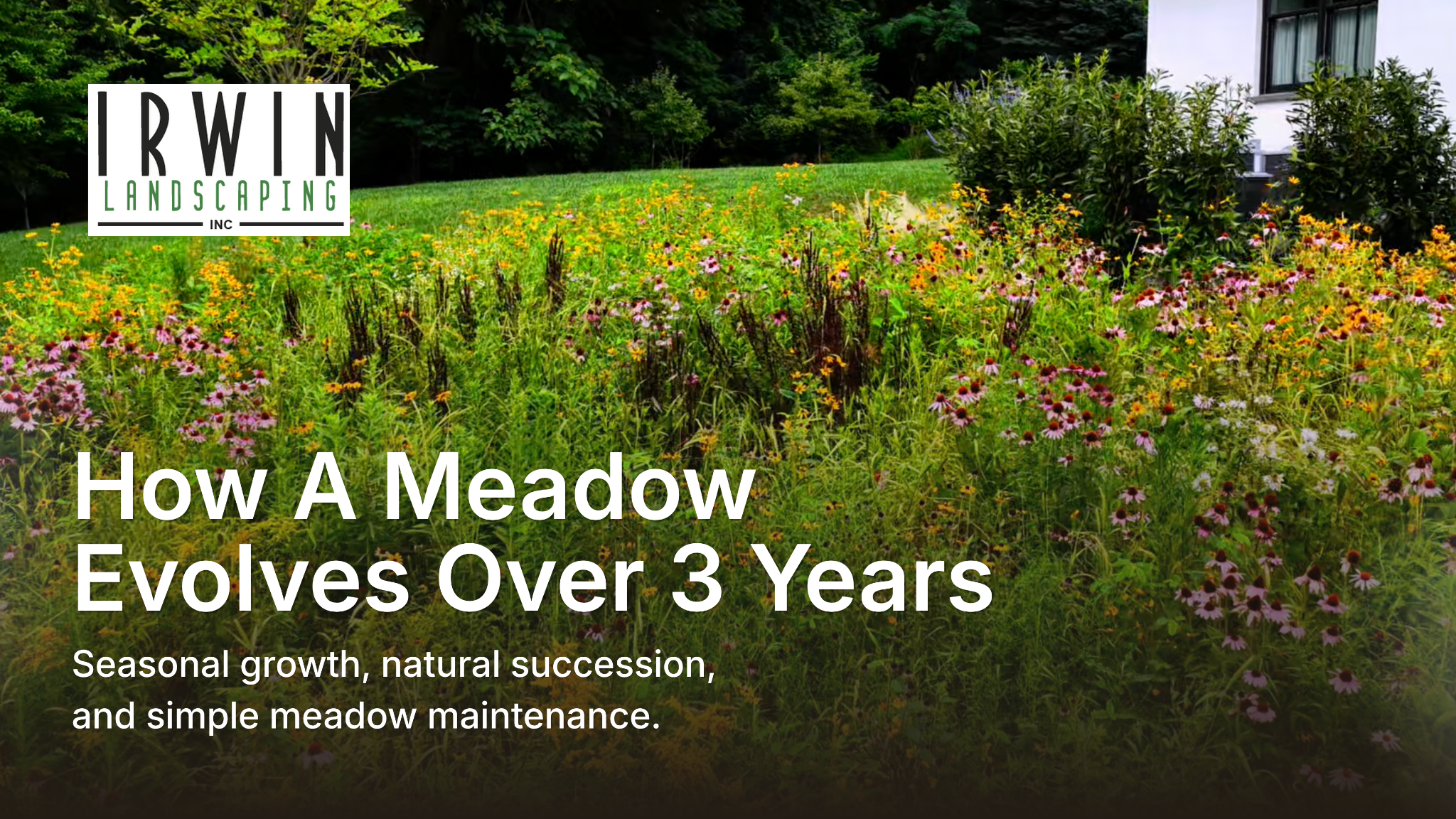
This native meadow is now about three years old, and what started from scratch has developed into a landscape filled with color, texture, and movement. As the meadow matures, certain plants naturally become more prominent while others appear at different points throughout the year.
That constant change is one of the things that makes a meadow so interesting.
A Landscape That Evolves Naturally
In spring and early summer, you may see familiar plants like Queen Anne’s lace creating soft white blooms throughout the meadow.
As summer progresses, black-eyed Susans begin to take center stage, adding bright yellow color across the landscape.
Then fall brings another transition. Goldenrod and other late-season plants begin to emerge, creating warmer colors and new textures as the growing season starts to wind down.
Instead of relying on one type of plant or one short blooming period, a meadow provides different moments of interest throughout the year.
Meadows Can Be Beautiful in Winter, Too
Winter doesn’t necessarily mean the meadow has to disappear.
Some homeowners choose to cut their meadows back in the fall, while others wait until spring. Leaving the plants standing through winter can create an entirely different look.
Dried stems, seed heads, and grasses bring natural texture to the landscape during a season when many traditional gardens can feel bare.
It is a softer, more natural style of landscaping—and for the right property, it can be just as beautiful in January as it is in July.
How Much Maintenance Does a Meadow Need?
Native meadows are relatively low maintenance, but that doesn’t mean they require no care at all.
As a meadow matures, new grasses and other plants can begin working their way into the space. Some may need to be removed to maintain the intended balance of the planting.
The good news is that this maintenance is typically fairly minor compared with maintaining a traditional lawn or more formal garden.
Instead of frequent mowing and intensive upkeep, the goal is to guide the meadow as it develops.
A Different Way to Think About Your Landscape
A native meadow offers something a traditional lawn cannot: a landscape that is constantly changing.
There may be white flowers early in the season, waves of yellow in summer, golden tones in fall, and textured grasses throughout winter.
And as the years pass, the meadow continues to establish itself and develop its own character.
For homeowners looking for a more natural landscape with seasonal beauty and relatively low maintenance, a meadow can completely transform an unused or difficult-to-maintain part of the property.