
How a Thoughtful Landscape Design Comes Together
A great landscape starts long before the first plant goes into the ground.
Professional landscape design is about understanding how a property works, how the homeowner wants to use it, and how every element—from sunlight and drainage to patios, driveways, gardens, and views—can work together.
The goal isn’t simply to make a property look better. It’s to create an outdoor environment that feels like it belongs with the home and works for the people who live there.
It Starts With Listening
Every client and every property is different.
The first step in the landscape design process is meeting with the homeowner at their property and understanding what they want from the space.
Some homeowners may be dreaming about a swimming pool and entertaining area. Others want better curb appeal, a new walkway, more privacy, a garden, or a place where their children can play.
Before any design decisions are made, it’s important to listen.
From there, ideas can begin to take shape around the client’s priorities, lifestyle, and expectations.
Understanding the Property
A good landscape designer doesn’t look at an empty yard and immediately decide where plants should go.
The entire site needs to be studied.
That includes factors such as:
- Drainage
- Soil conditions
- Sun exposure
- Existing views
- Views that should be screened
- Areas that should be highlighted
- The home’s architecture
- Vehicle and pedestrian circulation
- How the homeowner plans to use the property
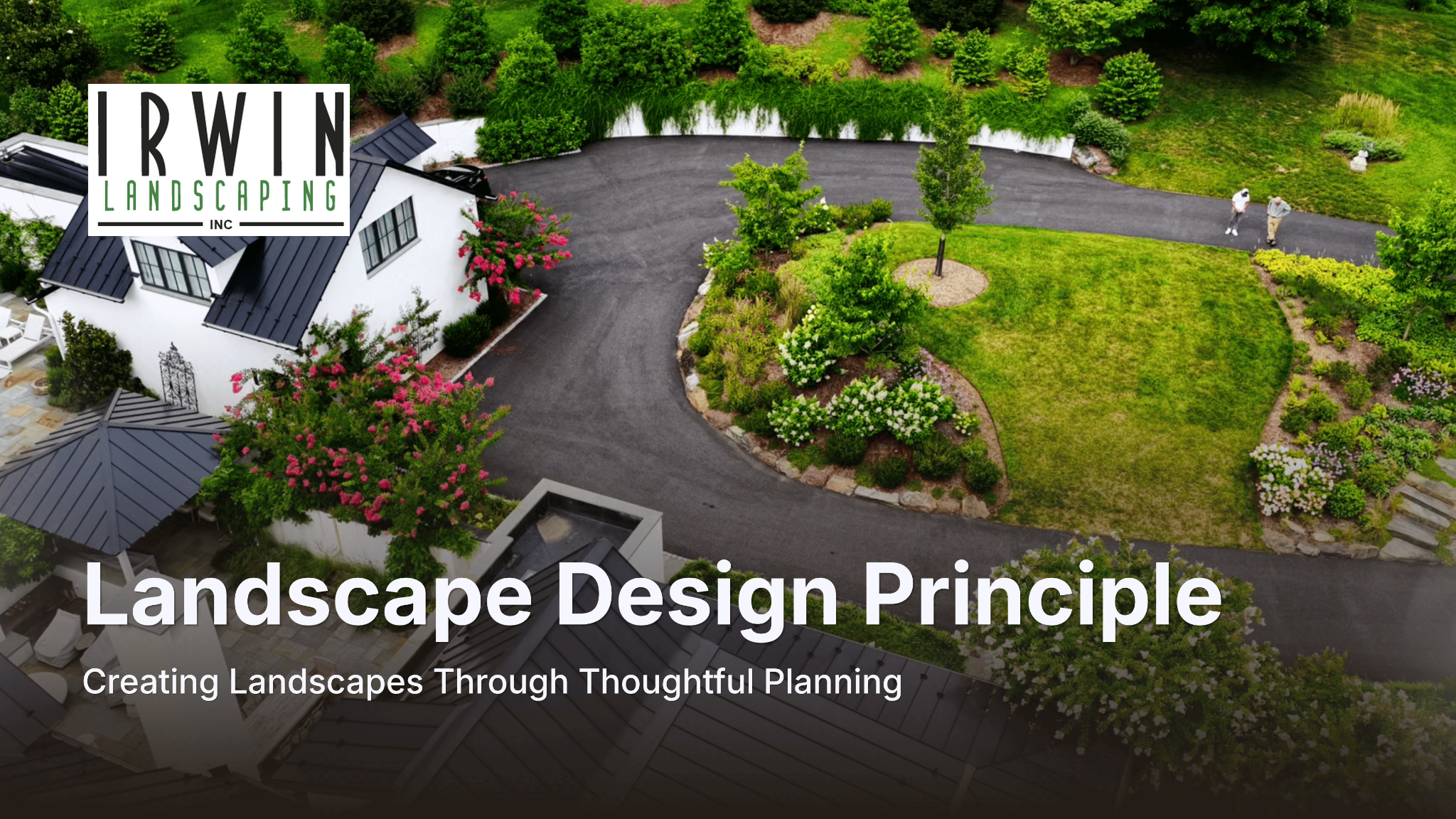
Even something as simple as a driveway can become part of the overall experience.
Instead of simply finding the shortest route to the house, a driveway can be designed so that approaching vehicles get an attractive view of the home as they enter the property.
These details help transform landscaping from decoration into a complete property design.
Turning Ideas Into a Landscape Plan
Once the property has been evaluated, the first concepts can be put on paper.
An initial plan might identify the best locations for major elements such as a swimming pool, patio, driveway, walkway, garden, or play area.
Think of this stage as creating the basic framework of the property.
The homeowner then reviews the concept and provides feedback.
Maybe the patio needs to be larger. Maybe the pool should move. Perhaps a walkway needs to connect another part of the property.
After those conversations, the plan becomes more detailed.
Materials, planting areas, hardscaping, driveway treatments, edging, and other landscape elements can then be incorporated into the final design.
Designing for All Four Seasons
One of the most important considerations in landscape planning is how the property will look throughout the year.
Spring naturally brings plenty of excitement as plants begin blooming and landscapes come back to life. But a well-designed property shouldn’t only look good for a few weeks each year.
Plant selection can create interest across all four seasons.
Evergreens, flowering plants, foliage, texture, branching structure, and seasonal color can all work together so the landscape continues to feel intentional throughout the year.
The front of the home is especially important.
Ideally, homeowners should enjoy what they see every time they pull into the driveway—whether it’s the middle of spring or the middle of winter.
The Landscape Should Complement the House
There isn’t one landscape style that works for every property.
Homes can be one story or three stories. They might feature stone, stucco, brick, traditional architecture, contemporary lines, large windows, or completely different proportions.
The landscape should respond to those differences.
Plant heights, shapes, textures, bed layouts, pathways, and hardscape materials can all help connect the house to the surrounding property.
The result should feel like the landscape and architecture were meant to exist together.
Creating Outdoor Rooms
A landscape can also be thought of as a collection of outdoor rooms.
Instead of treating the yard as one large open space, different areas can serve different purposes.
There might be a patio for entertaining, a garden for relaxing, a children’s play zone, or a pathway connecting different areas of the property.
Views also become an important part of the design.
An unattractive neighboring view might be screened with plantings, while a beautiful pond, garden, or natural area should be intentionally opened up and highlighted.
Good landscape design helps guide where people look and how they move through the property.
You Don’t Have to Build Everything at Once
A complete landscape plan doesn’t necessarily mean completing the entire project immediately.
In fact, designing the whole property first can make it easier to complete the work in phases.
A homeowner might start with the front entrance and walkway, then move to the backyard patio, garden beds, pool area, or another section later.
Because there is already a larger plan in place, each new phase can connect naturally with what has already been completed.
It also gives homeowners flexibility to prioritize projects according to their budget, schedule, and immediate needs.
Designing With Future Growth in Mind
Landscapes change over time.
Plants grow, beds fill in, and areas that may look relatively open immediately after installation can become much fuller several years later.
That’s why plants should be selected and spaced with their mature size in mind.
The long-term goal can be a landscape where plants naturally fill much of the bed space rather than relying heavily on large areas of visible mulch.
As the landscape matures, the plants themselves become the dominant feature.
Maintenance Should Be Part of the Design
One of the most important conversations to have before designing a landscape is how much maintenance the homeowner actually wants.
Larger garden beds generally require more care than smaller ones. Certain plant varieties may need regular pruning or attention, while others can be relatively low maintenance.
Those decisions should be made during the design process—not after installation.
A beautiful landscape that requires more care than a homeowner is willing or able to provide isn’t a successful design.
By considering maintenance from the beginning, the property can be designed around both the homeowner’s visual preferences and the amount of upkeep that realistically fits their lifestyle.
A Landscape That Feels Like Home
Ultimately, successful landscape design is about more than plants, patios, and pathways.
It’s about creating the feeling a homeowner gets when they arrive.
When the landscape complements the architecture, frames the right views, provides places to gather and relax, and changes beautifully throughout the seasons, the entire property begins to feel more complete.
The best result is simple: pulling into the driveway, looking at your home, and thinking, this feels like mine.